
Today, I want to share a post all about gel manicures. If you have been reading here for a while, you will know they have long been a staple in my routine. I have written about them countless times, and for good reason. For me, they have always felt like a no-brainer. They are long-lasting, they look polished, and most importantly, they help keep my naturally brittle nails intact.
However, during my most recent appointment, something shifted. The nail technician I usually go to had completely changed the products she was using, following negative press around her previous brand. That small change sparked a much larger conversation around safety, and before I knew it, I had fallen headfirst into a rather deep and slightly overwhelming research spiral.

The Reality Behind Gel Manicure Safety
What I quickly discovered is that gel manicures, particularly those cured using UV lamps, still sit in a slightly uncertain space when it comes to long-term health implications. The technology, while widely used, is relatively new in the grand scheme of things, and there simply is not enough long-term data to confidently say what the effects of repeated exposure might be.
As I continued researching, I found two very clear sides to the argument. On one hand, there are those who believe the exposure is minimal and nothing to worry about. After all, your hands are only under the lamp for short periods, and not on a daily basis. On the other hand, there is a growing group who feel strongly that even small amounts of UV exposure could carry risks, with some raising concerns around skin damage and even cancer.
Looking Into My Own Gel Manicure Setup
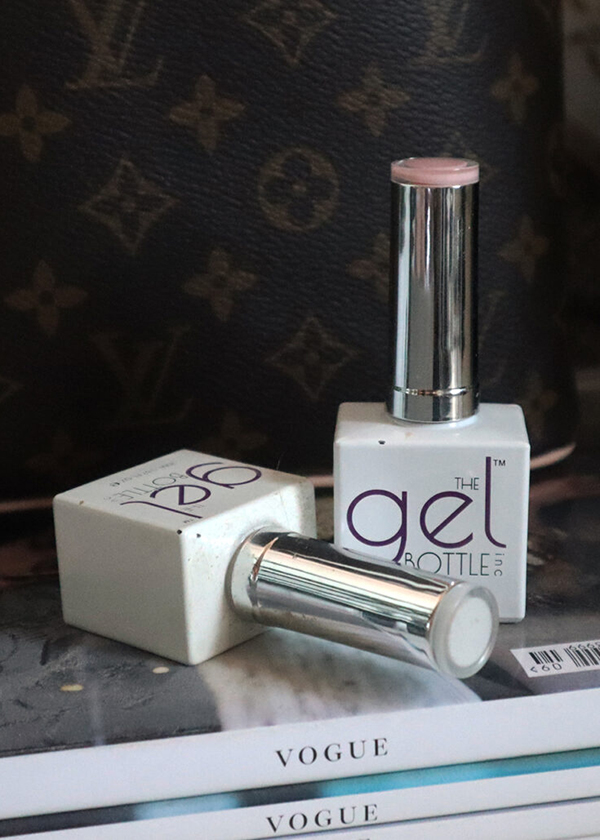
Naturally, I turned my attention to my own setup. I primarily use The Gel Bottle Inc, and have done for several years. While the formulas themselves are a conversation for another day, my focus quickly shifted to the lamp.
I wanted to understand more about the technical side. Things like UV wavelengths, safety testing, and any available research. Essentially, I was looking for reassurance, or at the very least, clarity. What I found instead was a technical specification sheet.
The Problem With Technical Information
Now, I am more than happy to admit that I am not a scientist. But even with that in mind, the information provided felt completely inaccessible. The document was filled with technical jargon, numbers, and terminology that, to most people, is entirely meaningless.
And it was not just this one brand. As I explored others, including Gelish and OPI, I found the same pattern repeated. Technical sheets, yes. Clear, understandable explanations, not so much. It left me wondering who these documents are actually for. Because from a consumer perspective, they do very little to educate or reassure.
Where Is the Transparency?
What I found myself really wanting was something much simpler. A clear, honest statement from the major brands. Something that outlines potential risks, explains what is known, and acknowledges what is still uncertain. So far, I have not come across anything like that.
To an extent, I do understand why. From a business perspective, it is unlikely that any brand would want to highlight potential risks, especially when there is no definitive clinical evidence. But at the same time, there is a growing expectation for transparency, particularly within the beauty industry. And when it comes to something that involves repeated UV exposure, even if minimal, it does raise the question of whether brands have a responsibility to communicate more openly with their customers.
Final Thoughts: Are We Asking the Right Questions?
I am not writing this as someone who has sworn off gel manicures entirely. I still enjoy them, and I still appreciate the convenience and finish they offer. But I am far more aware now than I was before. Perhaps the issue is not about panic or avoidance, but about awareness. About asking better questions, seeking clearer answers, and making informed choices based on what we do and do not know.
As always, I would genuinely love to hear your thoughts. Are these concerns being overblown, or should there be more accessible information available so we can all make more informed decisions before booking our next appointment?